


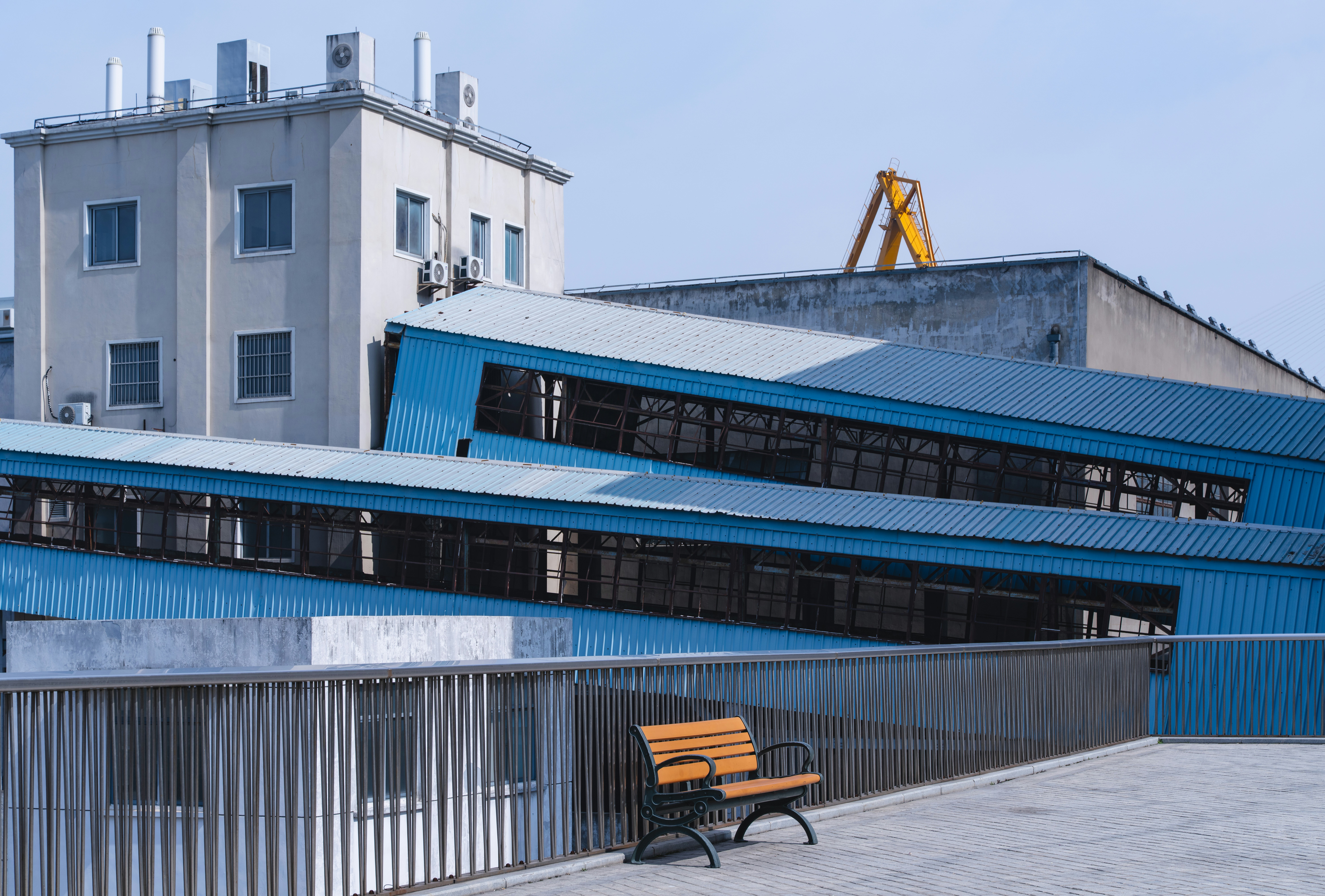
The global real estate market currently shifts its focus toward the massive potential found within aging and abandoned industrial structures. We are moving away from the era of expensive new construction and entering a world of high-value adaptive reuse and spatial transformation.
You might notice that the most successful developers now look for character and soul in old warehouses rather than empty plots of land. This transition toward building revitalization creates a clear roadmap for a future where we preserve history while generating significant modern wealth.
Most investors struggle with high overhead costs because they ignore the existing structural bones that old buildings offer for free. By mastering the core pillars of industrial renovation, you can reclaim your professional sovereignty and build a high-performance property portfolio.
This guide explores the most significant breakthroughs in building conversion and provides a clear framework for your technical investment journey.
Let us dive into the world of architectural transformation and discover how to turn an old shell into a profit engine. You possess the vision to lead the market, and the right renovation strategy provides the mechanical power to execute.
The Foundation of Structural Assessment and Creative Zoning

A successful conversion begins with a deep understanding of the original building’s skeleton and the local laws that govern its future use.
We are moving toward a world where flexible zoning allows a former factory to become a luxury loft or a vibrant co-working hub. This physical infrastructure is the catalyst for your long-term operational independence and systemic peace of mind during the renovation phase.
A. Analyzing Load Bearing Capacity and Material Health
Checking the strength of old brick and steel ensures that the building can support modern amenities like rooftop gardens. This technical precision prevents expensive structural failures and allows you to build with total surgical and logical confidence.
It provides a roadmap for a resilient property that maintains its value even as the surrounding neighborhood changes and grows.
B. Navigating Adaptive Reuse Permits and Legal Logic
Working with city officials to change the building’s legal status is the most important step in unlocking its true market value. This technical shift ensures that your project remains compliant while offering something unique that new buildings simply cannot match.
Mastering the logic of legal conversion is a masterpiece of management that protects your financial health and professional reputation.
C. Preserving Historic Character for Premium Market Branding
Keeping original features like exposed beams or large industrial windows creates a cool factor that allows you to charge higher rents. This high-resolution branding is a fundamental requirement for anyone who values a seamless experience within the luxury real estate market.
It is the primary engine that drives superior financial performance compared to standard and boring new apartment blocks.
I see many developers trying to hide the oldness of a building with cheap drywall and modern plastic finishes. You should realize that the history of the building is actually your biggest selling point and your most valuable asset.
My perspective is that you should treat every original brick as a piece of marketing that tells a story. Invest in high-quality restoration of original materials now so you can attract elite tenants who value authenticity.
Revolutionizing Energy Efficiency with Smart Retrofitting Systems
Old buildings are notorious for being drafty and expensive to heat, but modern tech can turn them into green machines. We are seeing a revolution where smart retrofitting allows us to install high-performance insulation and solar power into historic shells.
This digital infrastructure is the primary engine for building a high-performance life that values total energy autonomy and professional sovereignty.
A. Implementing High Performance Interior Insulation and Logic
Adding thin but powerful insulation to the inside of old walls keeps the heat in without ruining the historic exterior. This technical achievement ensures that your tenants stay comfortable while your monthly utility bills remain as low as possible.
It provides a roadmap for a sustainable building that respects the environment while maximizing your total long-term profit margins.
B. Installing Advanced HVAC and Smart Climate Controls
Modern heating and cooling systems can be hidden within the industrial aesthetic to provide total comfort with surgical precision. This technical shift allows you to monitor energy use across the entire building from a single smartphone or central device.
High-resolution climate management is a masterpiece of personal engineering that protects your family’s assets and your future success.
C. Upgrading Windows with Vacuum Glazing and Thermal Breaks
Replacing old glass with modern vacuum-sealed units prevents energy loss while keeping the original thin window frame look. This technical synergy ensures that the building looks old but performs like a high-tech spaceship in terms of total efficiency.
I notice that many investors cut corners on insulation because they think the look of the building is enough. You should stop treating energy efficiency as an extra cost and start seeing it as an investment in tenant retention.
My advice is to perform a full thermal scan of the building before you start any interior work. A warm and quiet building is a profitable building that keeps its value for many decades to come.
Navigating Modern Connectivity in Historical Architectural Shells
The biggest challenge in transforming an old building is often the lack of modern data paths and electrical infrastructure. We are moving toward a world where surface mounted conduits turn the necessity of wiring into a bold and stylish industrial design.
This digital infrastructure is the catalyst for your long-term personal freedom and your ability to scale your professional reach.
A. Integrating High Speed Fiber Optics and Mesh Networks
Running data lines through original industrial pipes ensures that your tenants have access to the fastest internet in the city. This technical precision ensures that your building is ready for the future of remote work and high-tech digital business.
It provides a roadmap for a high-performance workspace that attracts the best and brightest professional minds.
B. Modular Electrical Systems for Flexible Floor Plans
Designing your power grid with modular units allows tenants to change their office or living layout with total logic.
This technical shift increases the versatility of your space and ensures that the building can adapt to any tenant. Mastering the rules of flexible wiring is a masterpiece of management that leads to a more satisfied and purposeful life.
C. Hidden Cable Management and Smart Floor Integration
Using raised floors or creative ceiling trays keeps the messy wires out of sight while maintaining the clean industrial look. This technical synergy allows for a high-resolution interior that feels organized and fast for the modern and busy professional.
It is the primary engine that supports a high-performance culture where technology works silently in the background.
Many renovators get frustrated because thick old walls block Wi-Fi signals and make traditional wiring almost impossible. You should realize that these limitations are actually opportunities to use creative industrial design like exposed metal conduits.
My perspective is that you should make the tech part of the decor rather than trying to hide it. A building that wears its technology on the outside feels honest, modern, and incredibly functional for today’s market.
Advanced Interior Layouts and the Logic of Open Volume
Old warehouses and factories offer massive vertical space that you can use to create dramatic and high-value living areas. We are seeing a shift where mezzanine floors and open volume design allow you to double your usable square footage.
This spatial infrastructure is the primary engine for maintaining your professional sovereignty and your total biological health in the city.
A. Creating Multi Level Lofts with Internal Steel Structures
Building a second floor inside a high-ceiling room adds massive value without changing the original footprint of the structure.
This technical accuracy ensures that you maximize your rental income while providing a spectacular and unique living experience. It provides a roadmap for a resilient property strategy that produces high yields in even the most crowded cities.
B. Utilizing Open Plan Kitchens and Social Gathering Zones
Removing non-structural walls creates a flow of light and air that makes even a small building feel large. This technical shift improves the quality of life for your residents and supports a more social and connected urban community.
High-resolution spatial management is a masterpiece of personal engineering that protects your investment and your future growth.
C. Strategic Use of Skylights for Natural Light Penetration
Cutting new windows into the roof brings sunlight deep into the center of large industrial buildings with total logical ease.
This technical synergy turns dark and scary basements into bright and vibrant studios that people are willing to pay for. It is the primary engine that supports a high-performance lifestyle that values both biological light and total mechanical efficiency.
I see many designers trying to cram too many small rooms into an old space to increase the room count. You should stop thinking like a hotel manager and start thinking like a luxury curator of grand and open volumes.
My perspective is that people will pay a premium for a sense of space that they cannot find in new apartments. Let the building breathe and keep the ceilings high to create a feeling of total abundance and freedom.
Material Restoration and the Logic of Historical Integrity
The longevity of a historic renovation depends on using the correct materials that harmonize with the original structure. We are moving toward a world where lime mortars and breathable paints replace the destructive cement and plastic finishes of the past.
A. Applying Breathable Lime Mortar for Masonry Health
Using traditional lime allows moisture to escape from old brick walls rather than trapping it and causing damage. This technical precision ensures that your structural bones remain healthy and dry for several decades without needing expensive repairs.
B. Restoring Original Woodwork with Natural Oils and Waxes
Refurbishing historic doors and floors with organic finishes preserves the tactile beauty that modern synthetics cannot replicate. This technical shift creates a premium sensory experience for your tenants and increases the overall market value of your property.
Mastering the logic of material restoration is a masterpiece of management that protects your long-term financial reputation.
C. Sourcing Matching Historic Materials for Seamless Repairs
Finding reclaimed bricks and matching timber ensures that new additions look like they have always been part of the building.
This high-resolution attention to detail prevents your renovation from looking like a cheap patch job or a clumsy modern addition. It is the primary engine that drives superior aesthetic performance and keeps the historic soul of your investment alive.
I notice that many contractors use modern Portland cement on old soft bricks, which eventually causes the bricks to explode. You should realize that old buildings need to breathe and move slightly to stay healthy and strong over time.
My perspective is that you should hire specialists who understand the chemistry of historic materials rather than general builders. Using the right mortar today saves you from a total structural disaster in the next ten to twenty years.
The Psychology of Success and the Logic of Urban Renewal
Transforming an old building changes the way the entire neighborhood views itself and its role within the wider city community. We are moving toward a world where urban stewardship is the ultimate status symbol for the modern and high-growth professional leader.
This psychological infrastructure is the primary engine for building a life that is rich in purpose, logic, and long-term stability.
A. Building a Legacy through Architectural Preservation and Pride
Saving a building from the bulldozer provides a deep sense of integrity and confidence in your own professional vision. This technical advantage allows you to operate at your peak potential because your work has a clear and lasting meaning.
B. Reducing Stress through Stable and Timeless Design Choices
Living and working in a space that has already stood for a century provides a sense of calm. This technical shift ensures that you maintain a steady and focused mind that is ready for any market challenge. Mastering the logic of your environment is a fundamental requirement for anyone who wants to lead their industry today.
C. Aligning Your Portfolio with Your True Human Values
Investing in adaptive reuse proves that you value history, sustainability, and the unique needs of the modern urban heart. This technical synergy creates a sense of pride that fuels your creative work and your professional leadership in every area.
Most people wait for the government to fix old neighborhoods, but you can lead the way by taking action. You should stop waiting for the perfect project and start making the small renovations that build your reputation.
My perspective is that an old building is the ultimate canvas for a high-performance and successful modern professional career. Build your legacy with logic and vision, and the city will reward you with total loyalty and high yields.
Conclusion

Strategic structural orchestration represents a fundamental breakthrough in spatial sovereignty, replacing wasteful demolition with innovative historic renovation frameworks and disciplined historical defense that ensure your architectural engine wins today.
By integrating mission-critical brick-level precision and data-backed profit scaling into your daily flow, you can effectively eliminate the risks of structural inefficiency and market volatility while benefiting from the increased stability of autonomous history ownership and strategic draw management.
Taking immediate action to audit your current renovation habits and adopting a logic-based mission to utilize advanced digital surveying and industrial transformation allows you to reclaim your economic freedom, grow your professional prosperity, and secure a lasting legacy through technical and structural resilience.
The path to a successful and high-performance development life is clear when you use restorative discipline and proactive structural protection as your primary tools to fuel rapid progress and achieve ultimate stability starting today.