


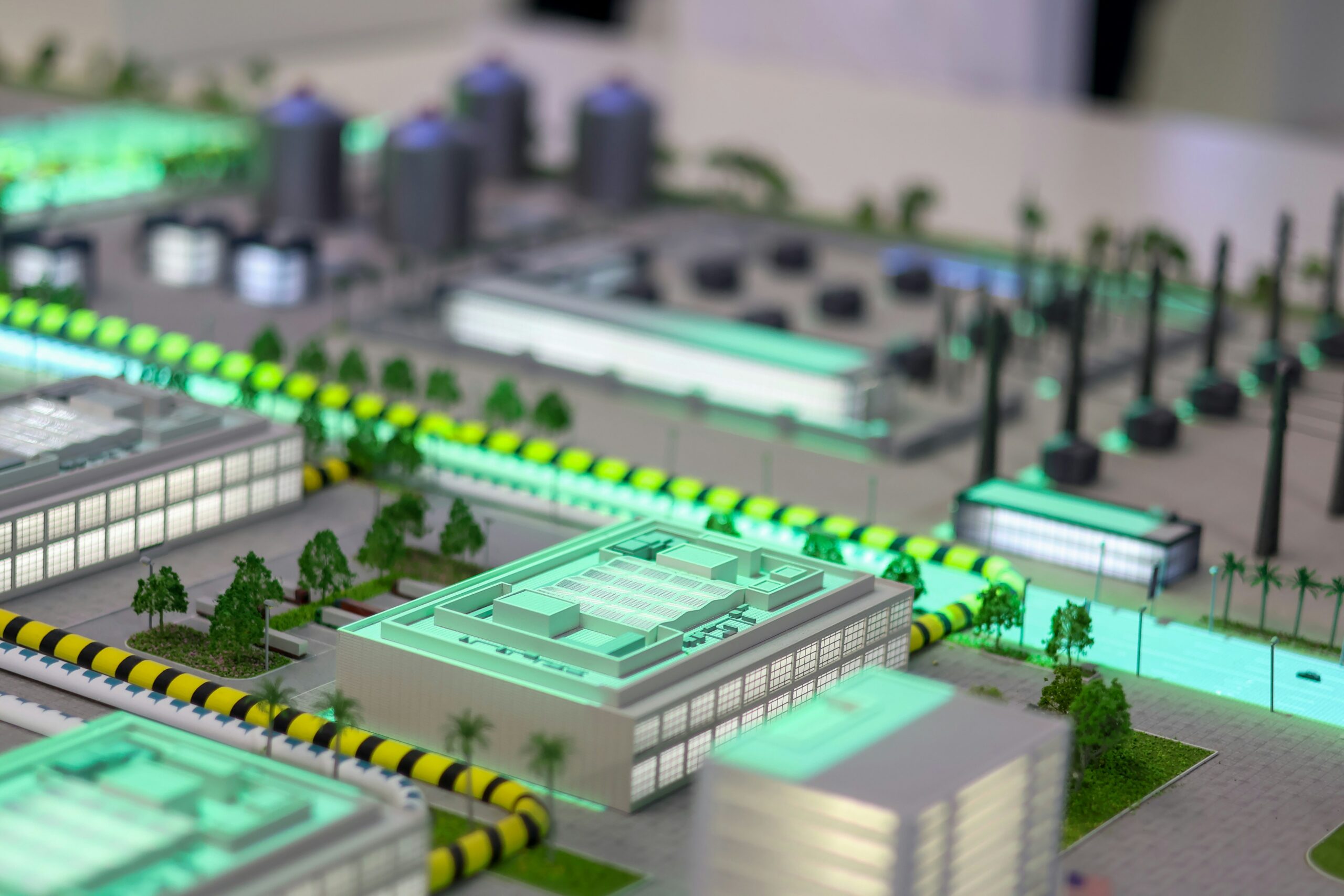
The modern global landscape is currently undergoing a massive technical shift toward intelligent and responsive urban environments. We are moving away from the era of static city planning and entering a world of dynamic digital twins.
You might notice that the most advanced metropolitan areas now use real-time sensors to manage traffic flow and energy use. This transition toward data-driven architecture creates a clear roadmap for a future where cities actually breathe and adapt.
Most urban dwellers struggle with congestion and pollution because their cities rely on outdated infrastructure that cannot think. By mastering the core pillars of real-time data design, you can reclaim your professional sovereignty and build high-performance spaces.
This guide explores the most significant breakthroughs in smart city tech and provides a clear framework for navigating the future.
Let us dive into the world of live data and discover how to transform your technical understanding into an engine for prosperity. You possess the vision to lead the market, and the right data strategy provides the power to execute.
The Foundation of Urban Internet of Things Infrastructure

Smart cities start with a massive network of sensors that collect information from every corner of the street. We are moving toward a world where the Internet of Things acts as the central nervous system for our buildings.
This technical infrastructure is the catalyst for your long-term operational independence and systemic peace of mind during urban expansion.
A. Deploying High Resolution Environmental Sensors
Sensors track air quality, noise levels, and temperature changes in every neighborhood with total surgical and logical precision.
This technical accuracy allows city leaders to identify pollution hotspots and take immediate action to protect the local public health. It provides a roadmap for a cleaner and more livable city that responds to environmental threats in real time.
B. Integrated Smart Street Lighting Networks
Modern streetlights do much more than just provide light; they act as data hubs for the entire urban grid. This technical shift ensures that lights only dim or brighten based on the actual presence of pedestrians and vehicles.
Mastering the logic of adaptive lighting is a masterpiece of management that saves massive amounts of energy and money.
C. Acoustic Monitoring for Enhanced Public Safety
Advanced microphones can detect the sound of accidents or emergencies and alert the local authorities within seconds of the event. This high-resolution security is a fundamental requirement for anyone who values speed and a seamless experience within the city.
It is the primary engine that drives superior safety compared to traditional and reactive policing methods and old systems.
I see many planners installing sensors without having a clear plan for how to use the massive data streams. You should realize that data is only valuable if it leads to a specific and logical action for the citizens.
My perspective is that you should focus on solving one small problem, like parking, before trying to automate everything. Start small and build a reliable data foundation that people can actually trust and use in their daily lives.
Revolutionizing Traffic Flow with Predictive Mobility Logic
Traffic congestion is a heavy weight that slows down the economic growth and personal freedom of every modern city.
We are seeing a revolution where predictive AI agents manage traffic lights to ensure a smooth flow for all vehicles. This mobility infrastructure is the primary engine for building a high-performance city that values time and total personal freedom.
A. Adaptive Traffic Signal Control Systems
Signals change their timing based on the actual number of cars waiting at the intersection right now in the street. This technical achievement allows for the elimination of “ghost traffic” and reduces the time people spend idling in their cars.
It provides a roadmap for a more efficient transport network that saves fuel and reduces the stress of daily commuting.
B. Public Transit Optimization Through Live Tracking
Buses and trains share their exact location with passengers to ensure that everyone can plan their journey with total confidence. This technical shift ensures that public transport becomes a reliable and attractive alternative to owning a private and expensive car.
High-resolution transit data is a fundamental pillar for anyone who wants to lead their industry in modern urban mobility.
C. Smart Parking Solutions and Real Time Availability
Drivers can use apps to find open parking spots instantly, which prevents them from circling the block and wasting fuel.
This technical synergy reduces urban congestion by up to thirty percent in busy downtown areas during the peak hours today. It is the primary engine that supports a more organized city and your ability to scale your professional reach.
I notice that many cities still rely on fixed schedules for buses that never actually arrive on time for passengers. You should stop treating your transport like a rigid machine and start treating it like a flexible and living service.
My perspective is that the best traffic plan is one that actively encourages people to leave their cars at home. Use your data to show people how much time they can save by switching to a smart transit system.
Advanced Energy Management and Smart Grid Integration
Buildings consume a massive amount of energy, but real-time data can help us optimize this consumption across the entire city.
We are moving toward a world where buildings talk to the grid to balance the supply and demand of electricity. This electrical infrastructure is the catalyst for your long-term energy security and your ability to build a resilient estate.
A. Building Management Systems and Load Balancing
Smart buildings adjust their cooling and heating based on the number of people inside and the current outdoor weather. This technical precision ensures that no energy is wasted on empty rooms or during times of low building occupancy today.
It provides a roadmap for a carbon-neutral city that operates with total mechanical efficiency and logic for all residents.
B. Distributed Energy Resources and Microgrid Logic
Solar panels and batteries on private homes can share their excess power with the rest of the neighborhood instantly. This technical shift creates a resilient energy network that can survive a total failure of the main provincial power grid.
Mastering the rules of energy sharing is a masterpiece of personal engineering that protects your assets and your future.
C. Real Time Consumption Feedback for Urban Residents
Giving people live data about their energy use encourages them to make smarter choices and save money on their bills. This technical synergy empowers the individual to take control of their own carbon footprint and contribute to the city’s goals.
It is the primary engine that supports a more conscious and high-performance society that values logic and long-term sustainability.
Many property owners fear that smart grids will take away their control over their own thermostats and private home settings. You should realize that these systems are designed to save you money while keeping you perfectly comfortable and safe always.
My advice is to embrace the “automated savings” that come from letting a smart system manage your heavy electrical loads. You can focus on your high-level work while your building handles the boring task of saving you cold cash.
Digital Twins and the Future of Urban Simulation
A digital twin is a perfect virtual copy of a city that allows planners to test ideas before building. We are seeing a shift where “Virtual Cities” are used to predict the impact of new buildings and infrastructure projects.
This creative infrastructure is the primary engine for maintaining your professional sovereignty and making the best decisions for the future.
A. Simulating Disaster Response and Resilience Plans
Planners can run simulations of floods or earthquakes to see exactly which buildings are at risk and how to react. This technical accuracy ensures that the city is prepared for the worst-case scenarios with total surgical and logical precision today.
It provides a roadmap for a resilient urban environment that protects the lives and the property of every single resident.
B. Visualizing Solar Potential and Natural Airflow
Digital twins allow architects to see how a new skyscraper will block the sun or the wind for its neighbors. This technical shift ensures that new developments do not ruin the quality of life for the people already living there.
High-resolution simulation is a masterpiece of management that leads to a more balanced and fair urban growth for everyone.
C. Testing New Policy Changes in a Virtual World
City leaders can see how a new tax or a new bike lane will affect the local economy and traffic. This technical synergy allows for “evidence-based” governing that avoids expensive mistakes and focuses on what actually works for the people.
It is the primary engine that turns the cold math of data into a tool for social progress.
I see many cities building digital twins that are just “pretty pictures” without any real-time data feeding into them. You should stop seeing a digital twin as a static map and start seeing it as a live dashboard.
My perspective is that a digital twin is only as good as the sensors on the ground that feed it. Invest in the data links first so your virtual city can actually help you solve real problems in time.
The Psychology of Smart Living and Data Privacy
Technology should serve the people, and smart cities must protect the privacy and the freedom of every urban citizen.
We are moving toward a world where “Data Sovereignty” is a fundamental right for everyone living in a digital city. This psychological infrastructure is the primary engine for building a life that is rich in trust, logic, and stability.
A. Transparent Data Governance and Citizen Trust
People must know exactly what data is being collected and how it is being used to improve their lives. This technical advantage ensures that the public remains supportive of smart city projects and feels safe in their own neighborhood.
It provides a roadmap for a more democratic and open city where the people are the true owners of data.
B. Anonymization and Ethical AI Implementation Logic
Smart systems should focus on patterns of movement rather than tracking the identity of individual people in the busy street.
This technical shift protects the personal freedom of every citizen while still providing the data needed to optimize the city. High-resolution ethics is a fundamental requirement for anyone who wants to build a respected and high-performance urban brand.
C. Empowering Citizens with Open Data Access
Providing the public with access to city data allows entrepreneurs to build new tools and services that help everyone. This technical synergy encourages local innovation and ensures that the smart city is built by the people for the people.
It is the primary engine that drives the superior performance of a truly connected and logical modern urban society.
Most people fear that a smart city will turn into a “Big Brother” state that watches their every single move. You should realize that the goal of a smart city is to give you back your time and your freedom.
My perspective is that privacy and technology can coexist if we build the systems with total transparency and clear rules. Be the leader who demands privacy by design, and you will win the trust of your entire local community.
Conclusion

Strategic urban orchestration represents a fundamental breakthrough in spatial sovereignty, replacing chaotic municipal expansion with innovative smart-city frameworks and disciplined digital defense that ensure your architectural engine wins today.
By integrating mission-critical sensor networks and data-backed growth scaling into your daily flow, you can effectively eliminate the risks of operational lag and systemic volatility while benefiting from the increased stability of automated urban logic and strategic information ownership.
Taking immediate action to audit your current digital habits and adopting a logic-based mission to utilize advanced technological infrastructure allows you to reclaim your psychological freedom, grow your professional prosperity, and secure a lasting legacy through technical and structural resilience.
The path to a successful and high-performance development life is clear when you use technological discipline and proactive data protection as your primary tools to fuel rapid progress and achieve ultimate stability starting today.